Creating a pricing strategy for rattan lamps is crucial to staying competitive in both wholesale and retail markets. This article offers insights into setting effective prices based on production costs, market demand, and design trends.
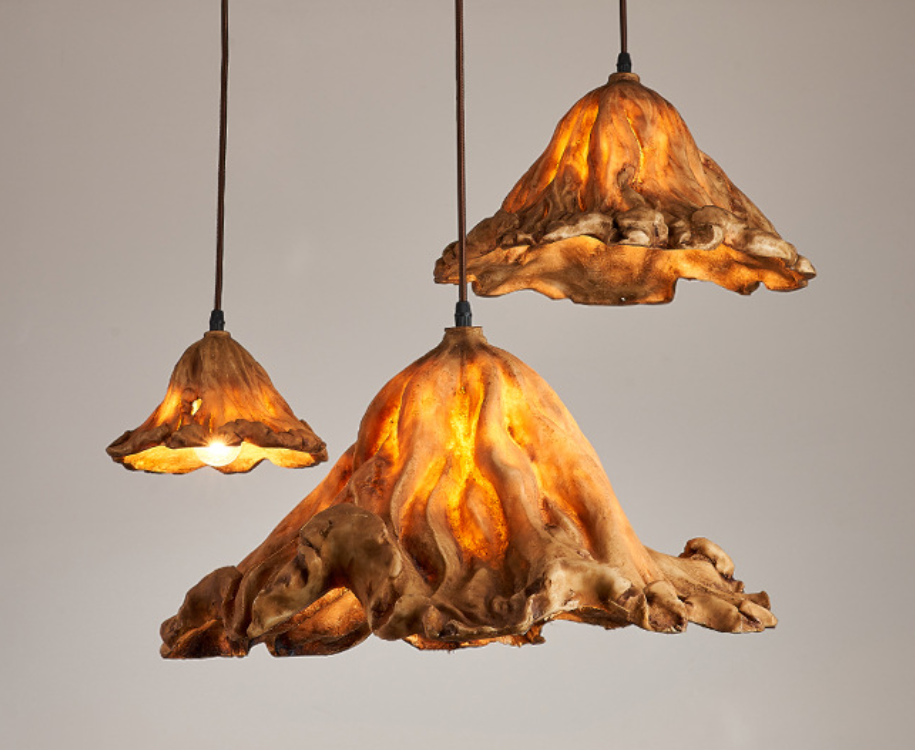
Rattan lamps, such as bamboo rattan ceiling pendant lights and boho style rattan pendant lighting, are increasingly popular due to their natural beauty and sustainability. As demand for eco-friendly lighting grows, it's crucial to develop a pricing strategy that works for both wholesale and retail markets.
Cost of Production
The first step in determining the price of a rattan lamp is understanding the cost of production. Materials like bamboo, organic fibers, and skilled labor are all important factors. For example, producing a natural fiber woven pendant lamp or a rustic wicker pendant light shade requires a careful balance of material and labor costs.
Labor costs can vary significantly depending on the complexity of the design. Artisan pieces like an artisan handwoven rattan pendant or a handmade bamboo pendant lamp may carry higher labor costs due to their intricate weaving techniques.
Wholesale Pricing Strategy
Wholesale pricing typically involves offering a discount for bulk purchases. For example, a coastal rattan hanging light fixture or a wicker dome pendant light fixture might be priced between $55 and $70 wholesale, depending on the production costs and order quantity.
Retail Pricing Strategy
For retail sales, the price per unit is typically marked up higher. Consumers are willing to pay more for a unique design, such as a japandi style woven pendant light or a tropical rattan pendant lighting design. Retail pricing generally includes a markup of 100%–200% of the production cost, depending on the product's design and perceived value.
Design and Market Trends
The final price of a rattan lamp is also influenced by design trends and market demand. For instance, Scandinavian rattan pendant lamps or eco-friendly rattan hanging lamps may be priced higher due to their popularity in sustainable interior design markets.
Conclusion
When setting prices for rattan lamps, manufacturers must balance production costs, design trends, and market demand to ensure competitiveness in both wholesale and retail sectors. A clear pricing strategy will help manufacturers maximize profits while maintaining brand value.
READ MORE


_lutHu5.png)

